Machine Learning Refines Player Reward Dynamics Across Casino Platforms
Hugo Frank · Aug 16, 2026
Machine Learning Refines Player Reward Dynamics Across Casino Platforms
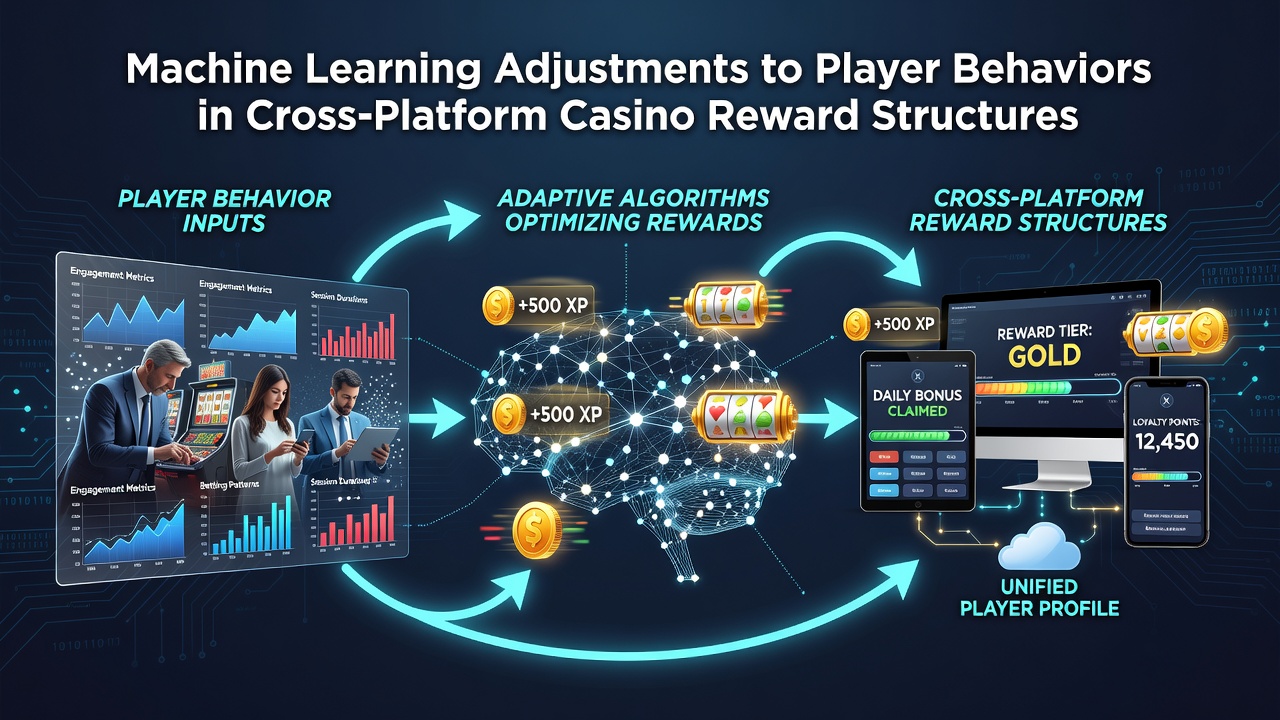
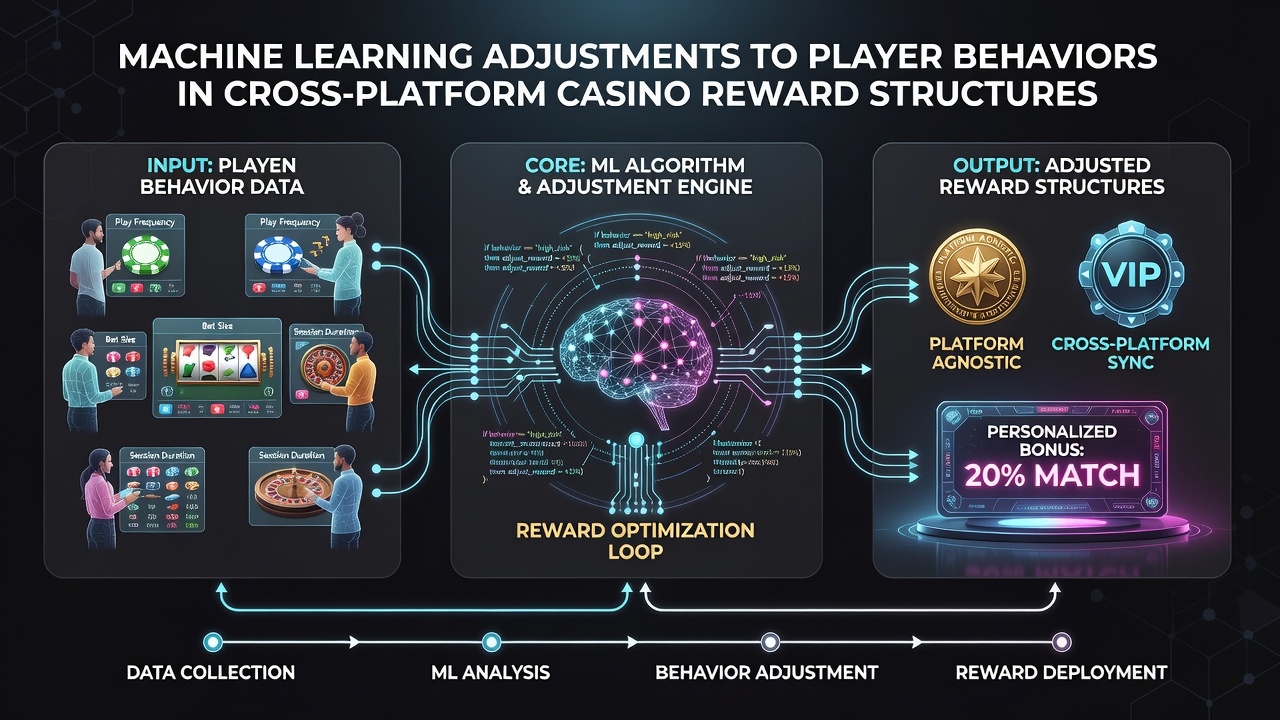
Operators now deploy machine learning systems that track player activity across mobile apps, desktop sites, and land-based terminals connected through unified accounts, and these tools adjust reward offers in real time based on detected patterns in betting frequency, game selection, and session length. Data collection begins with login timestamps, wager amounts, and navigation paths, then feeds into models that classify users into segments such as high-frequency slot players or occasional table-game participants.
Core Mechanisms of Behavioral Tracking
Algorithms process historical records from thousands of sessions to identify correlations between specific actions and future retention rates, while cross-platform integration allows a single profile to reflect activity whether a player switches from a phone during commute hours to a desktop at home. According to research from the University of Nevada Las Vegas International Gaming Institute, these systems reduce reward allocation errors by up to 23 percent compared with static loyalty tiers because they update predictions daily rather than monthly. Operators apply clustering techniques to group similar behavioral profiles and then test targeted incentives such as free spins or deposit matches that appear only when the model forecasts a drop in activity.
Cross-Platform Reward Personalization
Personalization extends beyond simple bonus amounts because models incorporate device type, time of day, and even geographic location signals permitted under local regulations, which lets platforms deliver a free-to-play tournament entry on mobile during lunch breaks while reserving larger cashback offers for desktop sessions later in the evening. In August 2026 several major networks reported that synchronized rewards across jurisdictions increased average session count by 14 percent, according to figures shared at the Global Gaming Expo. The same models also flag unusual sequences, such as rapid switches between high-volatility games, and automatically scale down promotional triggers to align with responsible gaming thresholds set by state regulators.
Impact on Player Decision Patterns
Players encounter reward structures that evolve with their habits, so someone who consistently plays progressive jackpots on weekends may receive targeted jackpot insurance offers that appear only after three consecutive losing sessions, whereas a weekday mobile user might see smaller but more frequent reload bonuses timed to commute windows. Industry reports from the European Gaming and Betting Association indicate that such adaptive structures have shifted average deposit timing by roughly 40 minutes earlier in the day on mobile platforms since early 2025. Observers note that these adjustments operate through reinforcement learning loops that reward the system itself when players extend sessions or return within predicted intervals, creating a feedback cycle that refines offer timing without manual rule changes.
Regulatory and Data Governance Factors
Regulatory bodies in multiple regions require transparency logs that document how machine learning outputs influence reward eligibility, and operators maintain audit trails that map each adjustment back to specific input variables such as recent win rate or game category preference. Data minimization rules in several jurisdictions limit the retention window for behavioral signals to 90 days unless players grant extended consent, which forces models to retrain more frequently on fresher but narrower datasets. Those who manage compliance programs report that integrating these constraints has increased model complexity yet preserved predictive accuracy within acceptable variance bands.
Technical Implementation Across Networks
Implementation typically relies on cloud-based pipelines that aggregate anonymized event streams from partner casinos while keeping personally identifiable information segmented by jurisdiction, and edge computing nodes on mobile devices pre-process certain signals before transmission to reduce latency in reward delivery. One documented case involved a North American operator that linked its progressive jackpot network with a European slot provider, allowing the shared model to detect when players migrated between markets and adjust loyalty points exchange rates accordingly. Such integrations depend on standardized APIs that pass behavioral metadata without exposing raw financial details, thereby satisfying both commercial and privacy requirements.
Conclusion
Machine learning continues to reshape how reward structures respond to observable player patterns across connected platforms, and the combination of real-time classification, cross-device synchronization, and regulatory safeguards produces offers that adapt more closely to documented behaviors than earlier static programs. Ongoing refinements in model training and data governance will determine the pace at which these systems expand into additional markets during the remainder of 2026 and beyond.